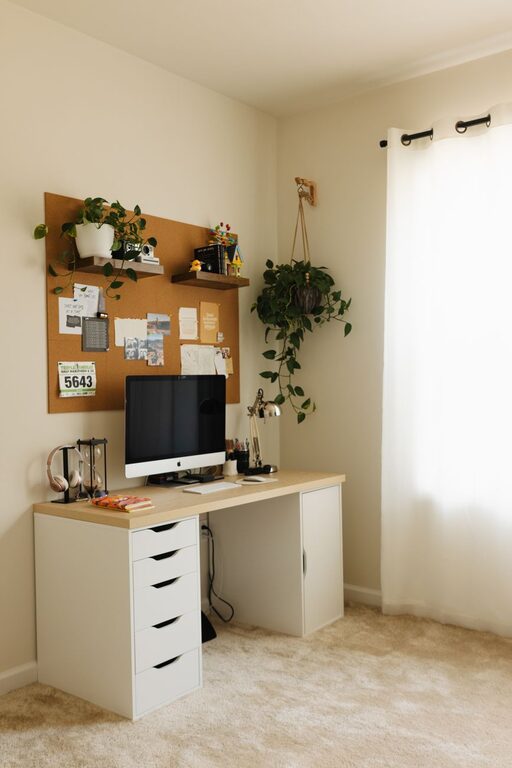
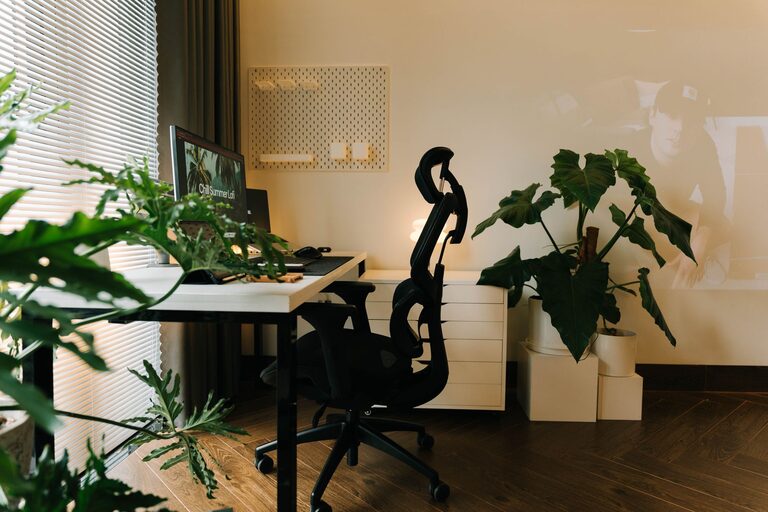
Creating a home office that is both cozy and productive can transform the way you work from home. Whether you are a freelancer, remote employee, or just want a dedicated area for personal projects, a well-designed workspace can improve focus, reduce stress, and inspire creativity. This guide offers practical tips to help you build the perfect balance between comfort and efficiency in your home office.
Choose the Right Location
Start by selecting a spot in your home that minimizes distractions. If possible, pick a quiet area away from heavy foot traffic or noisy appliances. Consider places with natural light, such as near a window, as sunlight can boost your mood and energy levels. Make sure the space is large enough to fit your desk, chair, and any storage you need.
Invest in Ergonomic Furniture
Comfort is key when you spend long hours working. Choose an ergonomic chair that supports your back and encourages good posture. Your desk should be at a height that allows your arms to rest comfortably while typing. Adjustable desks that can transform from sitting to standing are a great option for staying active throughout the day.
Organize with Purpose
Clutter can disrupt your flow and make it harder to focus. Use shelves, drawers, and organizers to keep supplies tidy but easily accessible. Label containers and designate spaces for different items such as paperwork, electronics, and stationery. Regularly clean and declutter your workspace to maintain a sense of order.
Personalize Your Space
Adding personal touches makes your workspace inviting and encourages creativity. Include artwork, plants, or photos that inspire you. Choose colors that you find calming or energizing—soft blues and greens promote calmness, while yellows and oranges can add a lively feel. However, keep decorations simple to avoid distractions.
Optimize Lighting
Proper lighting reduces eye strain and improves alertness. Besides natural light, use layered lighting options such as overhead lights combined with desk lamps. Opt for bulbs that mimic daylight for a bright, clear environment. Avoid harsh glare by positioning lights so they don’t reflect off your screen.
Create Zones for Different Tasks
If your home office is spacious, create separate zones for various activities. Have a primary work area for computer tasks, a reading nook with comfortable seating, or an area for brainstorming with a whiteboard or bulletin board. Different zones help shift your mindset according to the task and increase overall productivity.
Minimize Noise Distractions
Background noise can disrupt your concentration. Use noise-cancelling headphones or play soft instrumental music if it helps you focus. Adding rugs, curtains, and upholstered furniture can also absorb sound and reduce echo in the room.
Manage Technology Efficiently
Keep cables organized with clips or cable management boxes to avoid tangling and mess. Ensure your internet connection is strong and reliable. Place frequently used devices such as printers or scanners within easy reach, but avoid overcrowding your desk with gadgets.
Take Breaks and Move Around
Even the best setup can lead to fatigue if you stay seated too long. Incorporate scheduled breaks to stretch, walk, or relax your eyes. If space allows, consider a small area for light exercises or meditation. Movement boosts blood circulation and refreshes your mind.
Maintain a Routine
A consistent daily routine trains your brain to switch to work mode. Design your home office hours and stick to them as much as possible. Keep your workspace clean at the end of each day so you start fresh every morning.
—
By following these tips, you can craft a home office that feels welcoming and supports your productivity. Remember, the best home office is one tailored to your unique needs and preferences. Start small, make adjustments, and enjoy the benefits of a cozy and efficient workspace!
About the Author